Black History Month Juneteenth SVG: Graphics & Print Templates
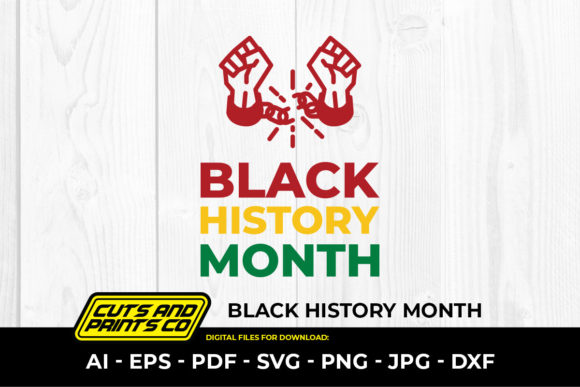
When I first opened the Black History Month, Juneteenth SVG file folder, I was preparing a seasonal collection for my Etsy shop and needed a design that could carry both cultural weight and commercial versatility. The asset arrived as a clean ZIP containing SVG, PNG, and sublimation-ready formats — exactly what I look for when I need to move quickly from concept to listing. My immediate impression was that this wasn't a generic holiday graphic. It carried a celebratory yet dignified tone, which matters enormously when you're creating products tied to a holiday as significant as Juneteenth — also known as Freedom Day, Jubilee Day, Liberation Day, and Emancipation Day.
The visual personality sits somewhere between bold commemorative design and modern heritage-inspired artwork. It leans decorative without feeling overly ornate, and it holds enough visual weight to anchor a product without overwhelming complementary elements. For sellers who cater to buyers seeking meaningful, culturally-rooted designs, this asset fills a specific niche that generic clipart bundles simply miss. The mood isn't playful or cute — it's intentional, proud, and celebratory in a way that respects the historical significance while still working as a commercial product graphic.
First Look at the File Quality and Format Mix
After extracting the folder, I checked the standard deliverables that matter most for print-on-demand and digital download workflows. The SVG design opened cleanly in Adobe Illustrator with properly closed paths and no stray nodes — a detail that separates professional assets from hobbyist uploads. The PNG design came through at 300 DPI with transparent background intact, which is non-negotiable when you're layering artwork onto product mockups or creating sublimation prints. The clipart variant was clearly derived from the same master file, maintaining consistent line weights and color integrity across formats.
One thing I always do before committing to a design asset is test it against multiple backgrounds. I dropped the PNG onto a dark navy backdrop, a cream linen texture, and a plain white product template. The design held its visual presence on all three, though I noticed it truly shines on lighter backgrounds where the contrast lets the graphic's full detail emerge. For sellers planning to use this on dark garments or mugs, I'd recommend a quick test print to confirm the color separation reads the way you intend.
Who This Asset Speaks To and What It Sells
After sitting with the design for a bit, I started imagining the buyer journey. This isn't an impulse-purchase graphic like a trendy quote sticker or a seasonal meme. The audience for Black History Month, Juneteenth SVG tends to be thoughtful, values-driven, and often shopping for themselves or their families with intention. That buyer profile matters because it influences everything from your product photography style to your listing description tone. A handmade business selling cotton tees with this design needs a different presentation than a digital download shop offering printable wall art bundles.
The asset appeals to customers who appreciate heritage-focused visuals, community celebration, and designs that carry educational and commemorative meaning. It can attract educators, event organizers, small business owners planning Juneteenth promotions, and individuals decorating their homes or wardrobes for Freedom Day. Understanding that buyer psychographic helps you price appropriately and write descriptions that resonate on a deeper level than standard product copy.
Where This Design Performs Best Across Product Types
I ran through my mental checklist of product categories where this asset could generate real revenue. Here's where it landed strongest:
- T-shirt graphics and apparel — The SVG cuts cleanly for heat transfer vinyl, and the design's bold silhouette works well on chest prints and full-back placements.
- Printable wall art — Sized correctly, the PNG version makes a striking instant download for customers decorating for Juneteenth gatherings or Black History Month displays.
- Tote bag prints — The graphic's proportions suit the vertical canvas of a cotton tote, and the design reads clearly at arm's length.
- Mug designs and tumbler wraps — Sublimation-ready files mean you can test this on drinkware without format conversion headaches.
- Greeting cards and invitation templates — Paired with a complementary serif or script font, the design anchors a card front beautifully for Juneteenth events.
- Digital planner stickers and scrapbooking kits — The clipart variant scales down well for decorative accents in themed journaling or memory-keeping products.
- Social media graphics and promotional visuals — Bloggers and content creators can use the PNG to build posts around Juneteenth and Black History Month content calendars.
I also tested the design inside a Canva template frame as a placeholder for a potential Canva template product. It imported cleanly and maintained resolution when scaled within a standard 8.5x11-inch document. For sellers building template shops, this is a practical addition to a seasonal or heritage-themed template collection.
Product Presentation and Mockup Strategy
One of the most underrated aspects of selling digital products is how your product mockup and listing thumbnail influence click-through rates. This design benefits from lifestyle mockups that show it in context — a framed print on a gallery wall, a tote bag slung over a shoulder, a mug on a sunlit table. The graphic's commemorative nature means buyers respond to warmth and authenticity in presentation, not sterile product shots.
I tested the design as a marketplace thumbnail at 570x456 pixels, which is roughly the size Etsy displays in search results. The design remained recognizable and didn't dissolve into visual noise. That's a crucial check because a beautiful asset that turns into an illegible smudge at thumbnail size won't generate clicks, no matter how nice the full-resolution file looks. For Etsy product listings specifically, I'd recommend a mockup where the design occupies at least 40% of the thumbnail frame to maintain visual impact.
When building design bundles or seasonal collections, this asset works as a hero piece rather than a supporting element. Placing it alongside smaller complementary graphics — perhaps a set of coordinating patterns, border designs, or supporting text elements — creates a cohesive collection that increases perceived value and justifies higher bundle pricing. The visual hierarchy naturally positions this design as the anchor, which is exactly what you want in a themed product set.
Testing Before Publishing: A Practical Workflow
Before I list any design asset in my shop, I run it through a small testing sequence that has saved me from costly customer complaints more than once. Here's the process I applied to this particular graphic:
- White background check — The design needs to pop against a clean white product preview, since most marketplace thumbnails default to light backgrounds. This passed comfortably.
- Dark background check — I tested it on a charcoal mockup. The design held its own, though some finer details receded slightly. A quick contrast adjustment in the source file could dial this in for sellers focused on dark apparel.
- Print test at 100% scale — I printed the PNG on standard matte paper at the intended product size. Color reproduction was accurate to the screen preview, with no unexpected banding or pixelation.
- SVG cut test on Cricut — I ran a test cut on adhesive vinyl using a Cricut Maker. The paths were clean, the weeding was manageable, and the final result transferred smoothly. For Cricut project sellers, this is a reliable file.
- Thumbnail simulation — I shrank the design to Etsy thumbnail dimensions and viewed it on my phone. Legibility remained strong, which is essential for mobile shoppers who now make up the majority of traffic on most creative marketplaces.
Where Caution Makes Sense
As much as I appreciate this asset, no design is universally suitable for every product type. Here's where I'd exercise restraint or perform additional testing before committing to a listing:
- Tiny sticker designs — The graphic's detail level means it loses some nuance below approximately 1.5 inches. For small kiss-cut sticker sheets, I'd consider a simplified version or a different supporting element.
- Overly complex layouts — If you're layering this with multiple other graphics, text, and decorative elements, the composition can feel crowded quickly. The design deserves breathing room.
- Low-resolution print products — Avoid stretching the PNG beyond its native dimensions. The 300 DPI file is generous, but pushing it to poster size without checking effective resolution could result in soft edges.
- Text-heavy templates — If you're designing an invitation or flyer where text dominates, make sure the graphic doesn't compete with the message. It works better as a focal point than a background element.
Font Pairing and Layout Considerations
When I incorporate a graphic like this into a product that includes text — say, a printable greeting card or a social media template — I pay close attention to font pairing. The design's visual character pairs naturally with serif fonts that echo its dignified feel, but it also creates an interesting tension against clean sans-serif fonts for a more modern, minimalist look. Script fonts and handwritten fonts add a personal, warm touch that suits the celebratory nature of Juneteenth products, while display fonts can amplify the graphic's boldness for statement pieces like rally posters or event banners.
I tested a few quick combinations: a classic Garamond-style serif for an elegant wall art quote, a clean geometric sans-serif for a modern mug design, and a flowing script for a greeting card. All three worked, but the serif pairing felt most aligned with the asset's inherent tone. The lesson here is that the design doesn't lock you into one aesthetic — it adapts across styles depending on your product niche and target customer.
Commercial Licensing and File Organization
Before listing products containing this design, I confirmed the commercial license terms. This is not a step to skip. Some assets come with personal-use-only restrictions, and assuming otherwise can lead to takedown notices or worse. For this particular asset, the commercial usage terms were clear, allowing incorporation into physical products and digital downloads for resale — which covers the majority of Etsy, Shopify, and print-on-demand use cases.
On the file organization side, I recommend renaming the extracted files before uploading them to your product creation workflow. Clear file names like Juneteenth-Design-SVG.svg or Freedom-Day-Printable-PNG.png make it easier to locate assets months later when you're refreshing seasonal listings. I also create a dedicated folder structure for each design collection, separating source files, mockup exports, and listing images. This small upfront effort prevents the chaotic digital clutter that plagues many digital product creators as their shops grow.
Seasonal Timing and Collection Strategy
From a selling perspective, the window for Juneteenth products typically begins ramping up in late May and peaks in the first two weeks of June. I plan my listings to go live at least three to four weeks before the holiday to allow time for organic search ranking and customer discovery. This graphic design asset also has crossover potential for Black History Month collections in January and February, effectively giving it two seasonal selling windows per year — a practical advantage for inventory-light digital product businesses.
I've found that grouping this design with complementary assets into a seasonal bundle increases average order value. Buyers who come for a Juneteenth t-shirt design often add a matching printable, a coordinating social media template, or a related clipart pack when the collection feels cohesive. The visual storytelling across a well-curated product line builds customer trust and signals professionalism, which directly impacts conversion rates in crowded creative marketplaces.
Final Assessment From a Seller's Perspective
After testing, mockup review, and practical application across multiple product types, I consider Black History Month, Juneteenth SVG a solid addition to a heritage-themed or seasonal digital product catalog. It delivers on format quality, offers genuine commercial flexibility, and addresses a market need that many generic design bundles overlook. The file quality holds up across sublimation, print, and cutting workflows, and the design's visual presence translates well to the small screens where most purchasing decisions now happen.
For Etsy sellers, print-on-demand entrepreneurs, Cricut users, and creative marketplace shop owners building products around cultural celebration and meaningful holidays, this asset deserves a place in your testing rotation. The key is to present it with intention — thoughtful mockups, respectful copy, and product formats that honor the significance of what Juneteenth, Freedom Day, and Emancipation Day represent. When you get that combination right, the asset stops being just a graphic and becomes a product that genuinely connects with the people who are looking for it.