Leopard Print Glitter Tumbler Design Review
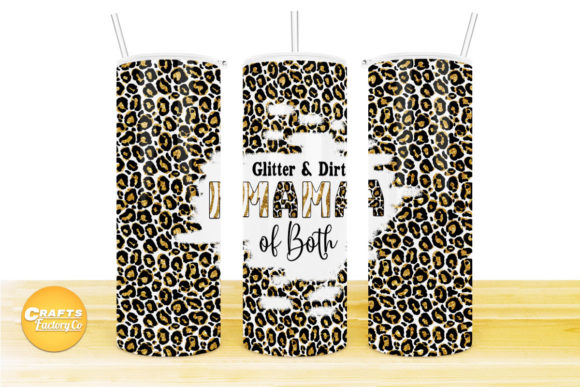
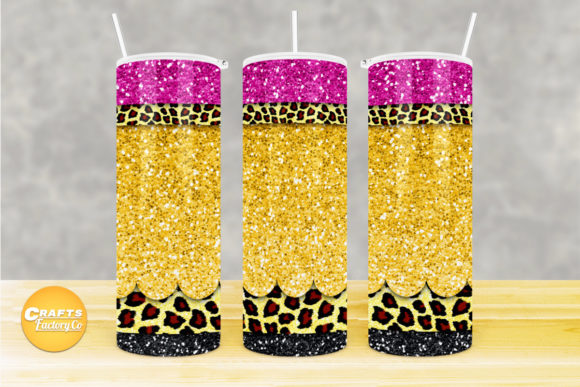
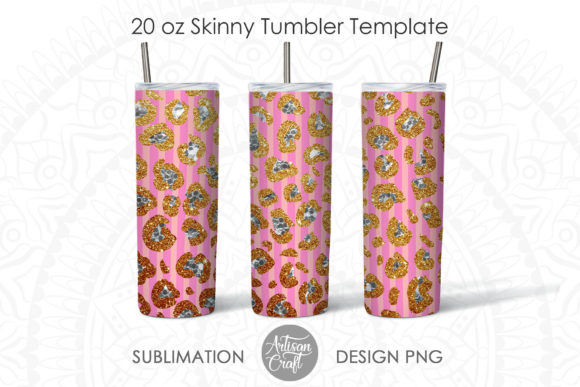
I’ve been designing and reviewing embroidery-ready artwork for over a decade, and the Leopard Print Glitter Tumbler, PNG caught my eye the moment it landed on my screen. It’s not just another animal print file — it’s a design that brings a specific mood, one that mixes fierce pattern energy with a hit of playful sparkle. The product description tells me it’s built for a 20 oz tumbler, and it arrives in two forms: straight and tapered. That immediately tells me the creator understands how real-world objects curve, how a wrap template needs to adapt, and how a design must hold its visual integrity whether it’s on a flat surface or a gently contoured one. As an embroidery reviewer, I’m not looking at this as a sublimation PNG alone. I’m thinking about how it behaves when it’s digitized, how those leopard spots translate into satin stitches, and whether the “elegant mix of colors” will still read as elegant after the needle finishes its work.
First Impression: The Mood It Sets
Real-Life Embroidery Scenario: A Custom Tote for a Boutique Order
Let me paint a picture. I’m preparing a set of custom canvas tote bags for a small boutique client. She wants something that feels upscale but approachable, something that blends animal print with a touch of shimmer. I pull the Leopard Print Glitter Tumbler, PNG into my digitizing software. I’m not just slapping it onto a blank canvas — I’m testing how the spots will stitch out. The elegant mix of colors in the original artwork means I’ll need to map each tonal shift to a thread color. A soft taupe base, a richer chocolate brown for the spots, maybe a metallic gold or copper for the glitter accents. That metallic thread choice is crucial — it’ll catch the light and give the tote that boutique feel. I decide to embroider the design across the front of the bag, about 5 inches wide, using a medium-weight cutaway stabilizer because the canvas is sturdy but needs clean edge definition. The straight version of the design fits perfectly as a rectangular block; the tapered version I save for a curved pocket on a denim jacket later. This is exactly how I’d use the file — not as a direct print, but as a starting point for a stitch-out that adds texture and value to a handmade product.
How It Performs on Real Embroidery Projects
- Custom Apparel: On a sweatshirt or t-shirt, the leopard print glitter design would look fantastic as a chest emblem or a small back accent. The spots need to be large enough to be read clearly, so I’d avoid shrinking it below 3 inches wide. A satin stitch for the spot outlines and a fill stitch for the base color would give it that plush, professional finish.
- Tote Bags and Canvas Pouches: This is a natural home. The sturdy fabric can handle the stitch density, and the design’s bold pattern makes the bag instantly giftable. I’d pair it with a simple monogram or a leather tassel for a curated look.
- Patches: The rectangular wrap shape is ideal for a stand-alone patch. I’d digitize it with a merrowed edge or a satin border, and the glitter element would be stunning if I incorporate a metallic thread or even a subtle iridescent film. The tapered version could become a trendy curved patch for a cap or a jacket sleeve.
- Baby and Nursery Items: This is a pleasant surprise. The soft, elegant mix of colors keeps the leopard print from being too aggressive. On a baby blanket corner or a burp cloth, it adds a touch of modern nursery style. I’d use a soft pink or champagne base thread to keep it gentle.
- Holiday and Gift Products: Think stocking stuffers, wine bag accents, or a set of embroidered coasters. The glitter mood makes it festive without being tied to a single holiday.
- Small Business Merchandise: For an Etsy seller or a craft fair booth, this design is a versatile asset. It can be offered as a “style” option on multiple products, creating a cohesive boutique brand look. The two forms (straight and tapered) give you flexibility to list it as a “tumbler wrap” or a “patch design” without additional artwork.
Where to Use It with Care
- Small Hoop Sizes: If the leopard spots are too detailed, reducing the design to fit a 4x4 hoop could turn those elegant spots into muddy blobs. Always test a scaled-down version on scrap fabric first.
- Stretchy or Thin Fabrics: A design with this many color changes and potential satin stitches needs a stable base. On a thin jersey or a highly stretchy knit, the stitches could pucker. I’d use a heavy cutaway stabilizer and maybe a water-soluble topper to keep the surface smooth.
- Dark Fabric: The colors in the PNG look rich, but on black or navy, the contrast might drop. I’d run a test stitch-out on a dark swatch and possibly adjust the thread colors to be a shade lighter to maintain the elegant mix.
- Curved Surfaces Like Caps: The tapered version is a great starting point for a cap, but the curved surface of a hat brim can distort the pattern. I’d digitize with a slight arc to match the cap’s curve and use a cap-specific hoop.
- Frequent Washing: If this goes on a kitchen towel or a baby onesie, the metallic threads for the glitter effect could wear down over time. I’d offer a care note or choose a poly thread with a subtle sheen instead.
Visual Appeal and Buyer Perception
From a craft business perspective, the Leopard Print Glitter Tumbler, PNG has high perceived value. The words “glitter” and “leopard” in a listing title immediately attract a certain buyer — someone looking for a touch of glam, a hint of wild, but still want something that feels handmade and personal. The elegant mix of colors is what elevates it. It’s not a basic brown-and-black leopard; it’s a curated palette. In my embroidery projects, I’ve found that designs with a thoughtful color story sell better because they look more professional and less like a rushed craft. When I photograph a finished tote or sweatshirt with this design, the customer sees a boutique item, not a DIY experiment. That builds trust and encourages repeat purchases. For an Etsy seller, having the two forms (straight and tapered) means you can show mockups on both a tumbler and a flat item, which broadens the product’s appeal without extra work.
Designer’s Practical Checklist
- Test on Scrap Fabric First: Always. I’d take a similar-weight fabric to the final product and run a stitch-out of the straight version. I watch for any thread breaks, misalignment of the spots, or areas where the glitter effect doesn’t pop.
- Check Thread Color Contrast: The elegant mix of colors might look perfect on screen, but thread can shift the mood. I’d lay out my thread cones next to the printed PNG and compare them in natural light. If the contrast is too low, the leopard spots might blend into the background.
- Review Stitch Density: Even though this is a PNG, I’d need to digitize it with care. Too many stitches in the spot areas and the fabric could become stiff. I’d balance satin and fill stitches to keep the design flexible.
- Confirm Hoop Size: Based on the tumbler proportions, the design likely works best at a width of 4 to 6 inches. I’d measure the final digitized file and make sure it fits my most-used hoops to avoid resizing on the fly.
- Test on Light and Dark Fabric: I’d stitch a sample on cream canvas and one on charcoal to see how the colors read. If the glitter effect is lost on dark, I might adjust the digitizing to include a light underlay.
- Check Licensing: The product is listed as a Graphics type in Crafts, but I’d still verify the seller’s terms. Can I use the stitched-out design on items I sell? Is it okay for commercial embroidery projects? If the details aren’t provided, I’d message the seller before adding it to my business lineup.
- Think About the Glitter Element: Real glitter in embroidery is tricky. I’d likely use a metallic thread, but I’d warn customers that the sparkle effect is stitched, not literal glitter flakes. A mockup with a subtle sheen can set the right expectation.
Best Project Matches for This Design
After all my testing, here’s where I’d confidently place the Leopard Print Glitter Tumbler, PNG in my production lineup:
- Embroidered canvas tote bags for a boutique spring collection
- Personalized sweatshirts with a name arched over the design
- Baby nursery decor pillows with a soft, blush-toned thread palette
- Kitchen tea towels with a single metallic accent for a glam touch
- Patches for denim jackets or backpacks as a wild, trendy accessory
- Cap designs using the tapered version for a curved, seamless look
- Holiday gift sets that include a matching embroidered pouch and wine bag
- Etsy digital mockups where the PNG can be used as a preview without stitching
Final Thoughts from the Embroidery Table
The Leopard Print Glitter Tumbler, PNG isn’t just a pretty graphic — it’s a practical starting point for a range of embroidery projects that feel current, stylish, and handmade with intention. The fact that it comes in two forms (straight and tapered) shows that the designer thought about real-world application, and the elegant mix of colors gives it a versatility that many animal print files lack. As an embroidery designer, I’d recommend it to anyone who wants to add a touch of wild sophistication to their product lineup, whether you’re making a single gift or stocking a small shop. Just remember: digitize thoughtfully, test thoroughly, and let the glitter threads do the talking. When you see a customer’s face light up over a tote bag with this design, you’ll know it was worth the extra stitch-out.