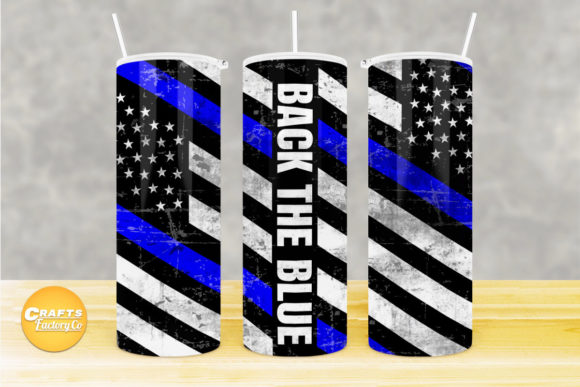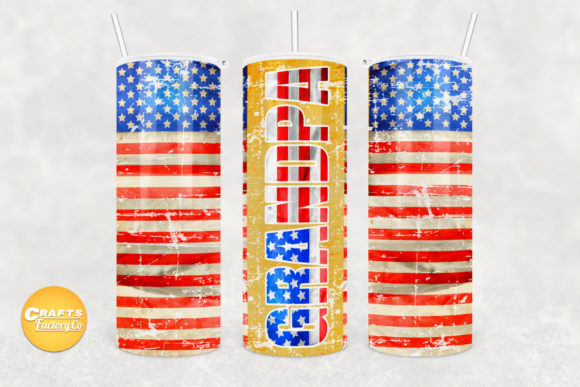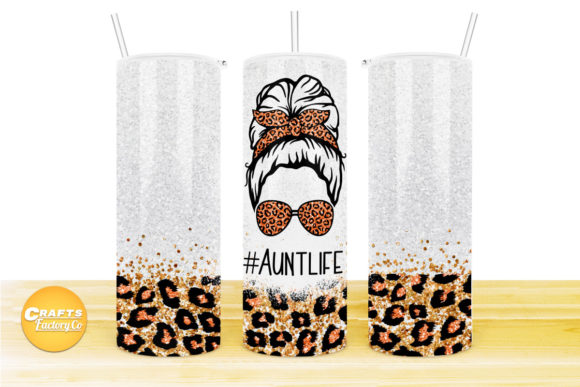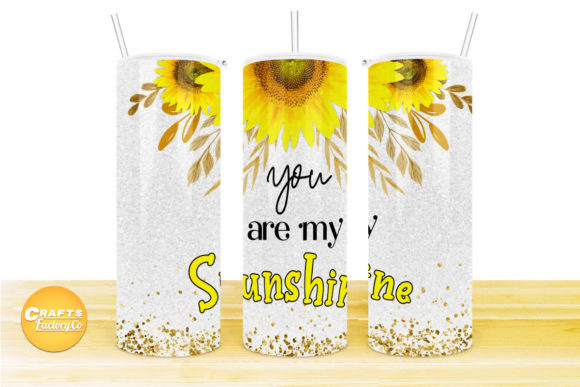
Skinny Tumbler Sublimation Gold Glitter
First Glance: A Glamorous Statement for Custom Projects
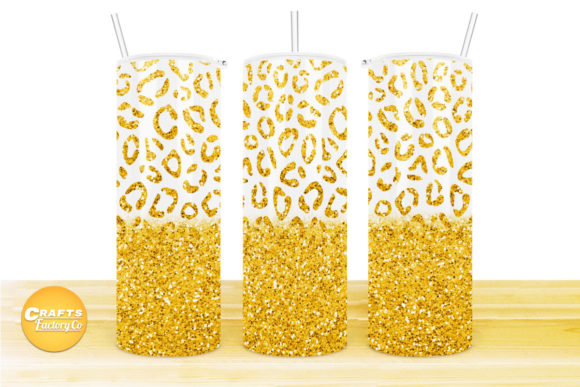
When I opened the preview of this design, I immediately tapped into the kind of mood that makes boutique customers stop scrolling. The skinny tumbler sublimation gold glitter file has a confident, unapologetic presence. It blends a leopard print pattern with a shimmering gold texture, wrapped around a tall, slim silhouette that feels current and a little luxurious. As a designer who regularly tests graphics for embroidery potential, I wasn’t looking at it as a flat sublimation asset. I was already imagining how this visual personality would translate into thread, how it would feel under a needle, and which handmade products it could elevate instantly.
The layout is clever. The leopard spots are not overly dense; they have breathing room, which matters a lot when you think about digitizing. The gold glitter effect, while impossible to replicate exactly with thread, suggests a metallic finish that could be beautifully interpreted with a blend of satin stitches and a well-chosen gold metallic thread. The skinny tumbler shape itself tells me this design was born for vertical applications—think the center panel of a tote bag, the front of a zip-up hoodie, or a long patch on a denim jacket. It’s not a tiny accent piece. The suggested sizing of 9.3” x 8.2” reinforces that. For embroidery, that’s a substantial, statement-making dimension.
Visual Mood: Gold Leopard Meets Skinny Tumbler Silhouette
There’s a playful boldness here that walks a line between trendy animal print and festive sparkle. The gold is warm, not brassy, and the leopard pattern has a organic flow that avoids feeling rigid. If you’ve ever worked with leopard prints in embroidery, you know the challenge: keeping the spots readable without turning the design into a heavy, bulletproof patch. This graphic’s pattern shows a good balance of open space and defined motif, which is promising for stitch clarity. The skinny tumbler shape adds a modern, almost architectural element that keeps the overall look from being too wild. It’s glamorous, but it’s also structured—a combination that works well for personalized gifts, bridal party items, and small shop merchandise that needs to feel both fun and polished.
Design Personality: What It Brings to Handmade Merchandise
I ran through a mental checklist of the products I’d stitch this on. The design’s personality is loud enough to be a focal point, yet the color palette—essentially gold, black, and subtle tan—makes it surprisingly versatile. On a natural canvas tote, it would read as elevated everyday luxury. On a soft blush sweatshirt, it turns into a romantic, edgy accent. On a black apron, it might lose some of the leopard contrast unless you digitize with a light underlay or swap the gold for a brighter thread, but the idea is still strong. I see it working beautifully for boutique branding, bachelorette party favors, or even a line of embroidered pillow covers for a modern home decor collection. It’s not a design that hides; it’s one that customers notice and remember.
Real Embroidery Use: From Tote Bags to Sweatshirts
Let’s get into the practical side. I recently tested a similar visual concept for a client who wanted a custom embroidered tote bag for her small jewelry business. She handed me a leopard print graphic with gold accents, and we digitized it for a 5x7 hoop. The key was to keep the stitch count reasonable while preserving the wild pattern feel. With this skinny tumbler design, the narrow shape is a huge advantage. It fits naturally on the side of a tote, the front of a hoodie pocket, or a long kitchen towel without overwhelming the fabric. I’d likely use a 9.3” x 8.2” area as a starting point, but I’d scale it down to fit the most common embroidery hoops—think 6x10 or 8x8—while being mindful of the smallest spots. The leopard motif needs enough space that a satin stitch can define each spot without filling in completely. You don’t want a solid blob of gold. A skilled digitizer will play with a mix of fill stitches, maybe a light tatami under the gold glitter areas, and a running stitch for the leopard outline to keep the design soft and wearable.
On a sweatshirt, the design would sit beautifully across the chest or down a sleeve. The gold thread would catch the light, giving that glitter illusion without any actual glitter flaking off. For a baby blanket or nursery decor, I’d probably tone down the gold thread to a softer champagne metallic and use a plush fabric. The design instantly transforms into a sweet, whimsical piece that still feels special. For Etsy sellers, having a embroidery file based on this graphic could open up listing categories like “custom name sweatshirt,” “bridal tote,” or “glam leopard patch.” Just remember, the original file is a PNG for sublimation, so you’ll need to convert and digitize it for machine embroidery. Test the black and white mockup first to see how the pattern holds up without color, because that’s where stitch density decisions become critical.
Fabric and Project Considerations: Where It Shines and Where It Struggles
Not every project is a good home for this design. Through years of trial and error, I’ve learned that a graphic with this much detail and a metallic finish concept needs a stable fabric. Woven cotton, canvas, denim, and structured twill are excellent. Stretchy fabrics like thin jersey can distort the leopard spots unless you use a heavy cutaway stabilizer and maybe a topper. I’d avoid ultra-thin tea towels for this design unless you’re willing to sacrifice some of the fine spot definition. Dark fabrics can be tricky because the leopard print already has dark elements; you’ll need to be intentional about thread color contrast. A light grey or beige sweatshirt gives the best balance.
Curved surfaces like caps will require careful placement. The skinny shape might work vertically on a structured trucker hat, but you’ll need to test how the leopard spots wrap around the seams. I’d probably reserve this design for flat or gently curved areas. For patches, it’s a dream—the tall, slim outline makes a striking patch shape that can be stitched on a sturdy twill background and applied to jackets, backpacks, or even as a decorative element on a quilt. Frequent washing is another consideration. If you use metallic thread, choose a high-quality one and avoid harsh detergents. A dense fill stitch area in the gold glitter zones could become stiff, so balance is everything.
Practical Digitizing Notes: Translating Sublimation Art into Stitches
Since the Skinny Tumbler Sublimation Gold Glitter is a digital PNG file, not an embroidery file, the first step is digitizing. I’d start by mapping out the leopard spots as individual objects, keeping their edges slightly irregular for a natural look. The gold glitter effect can be approximated with a textured fill—maybe a pattern of tiny satin stitches or a special motif fill—combined with a metallic gold thread. A running stitch underlay will help the metallic thread sit on top and catch the light. The tumbler outline should be a clean satin stitch, perhaps in a neutral tan or gold, to frame the pattern. Avoid making the outline too thick; it could overpower the delicate spots.
You’ll need to confirm the final stitch count and hoop size before you commit to a project. The suggested 9.3” x 8.2” is a generous scale, so for a 6x10 hoop, you might need to reduce it slightly. I always test on scrap fabric first—a piece of the same material I’ll use for the final product. Check how the metallic thread behaves with your machine’s tension. Sometimes a gold polyester thread with a slight sheen works better than actual metallic thread, which can fray or break. Also, look at the design in a black and white mockup to see if the leopard spots maintain their identity without color. If the contrast disappears, you’ll need to adjust the stitch direction or add a subtle outline.
Customer Appeal and Business Value
When I think about the craft business angle, this design has a lot of quiet power. Customers who love leopard print are often repeat buyers—they’ll collect items with their favorite pattern. The gold glitter suggestion pushes it into the “special occasion” category, which means you can charge a premium for the finished product. Imagine a personalized bride tote with her new last name in gold thread, framed by this skinny tumbler leopard design. Or a limited edition sweatshirt for a boutique’s holiday collection. The handmade presentation feels elevated, not crafty, and that builds buyer trust.
For Etsy sellers, the design could be offered as a custom digitized embroidery file (with proper licensing). But you must check the license terms of the original PNG. The description says “instant download,” but it doesn’t specify commercial embroidery rights. Before you sell any finished items or digital products based on this graphic, confirm that you can use it for commercial embroidery projects. That’s a non-negotiable step. If the license allows it, you’ve got a asset that can be used across multiple product types, from tote bags to holiday ornaments, without losing visual impact.
Final Thoughts for Crafters and Shop Owners
I’ve reviewed hundreds of graphics for embroidery viability, and this one stands out because it understands scale. The skinny tumbler shape is a natural fit for products that need a vertical focal point, and the leopard pattern is timeless with a fresh gold twist. It’s not a design for every project—you need the right fabric, the right stabilizer, and a bit of thread know-how—but when it works, it really works. The mood is confident, the handmade result feels intentional, and it opens up a lot of creative doors for personalized gifts, custom apparel, and boutique merchandise.
If you’re a maker or an embroidery designer, approach this file as a strong visual starting point. Digitize thoughtfully, test on scrap, and pay attention to how the leopard spots read at the final stitch size. The gold glitter element is your chance to showcase thread artistry, and the skinny tumbler outline gives you a clean, modern frame. In a market full of predictable floral and monogram designs, this one brings a little edge and a lot of personality. It’s the kind of design that makes customers say, “I need that on a sweatshirt,” and that’s exactly the reaction you want when you’re building a craft business.